Saturday, 13 October 2018

TB ki bimeri ki histery


World TB Day 2018

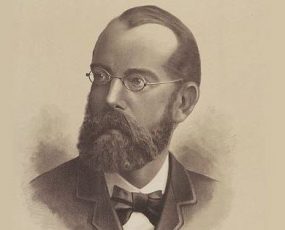
Picture of Dr. Robert Koch

Wanted: Leaders for a TB-Free United States.

We can make history. End TB.

History of World TB Day

On March 24, 1882, Dr. Robert Koch announced the discovery of Mycobacterium tuberculosis, the bacteria that causes tuberculosis (TB). During this time, TB killed one out of every seven people living in the United States and Europe. Dr. Koch’s discovery was the most important step taken toward the control and elimination of this deadly disease. A century later, March 24 was designated World TB Day: a day to educate the public about the impact of TB around the world.

TBChronicles, learn more about the different names for #TB through the ages.

TB Chronicles

As World TB Day 2018 approaches, CDC will honor TB elimination leaders and history-makers through the TB Chronicles. The TB Chronicles will depict TB milestones that highlight both how far we have come and how far we have to go towards ending TB.
Until TB is eliminated, World TB Day won’t be a celebration. But it is a valuable opportunity to educate the public about the devastation TB can spread and how it can be stopped.

Names for TBcollapse

What is in a name?
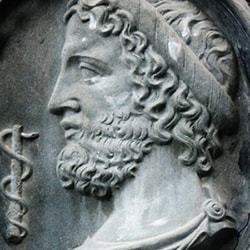
Image of Hippocrates
Johann Schonlein coined the term “tuberculosis” in the 1834, though it is estimated that Mycobacterium tuberculosis may have been around as long as 3 million years!
Tuberculosis (TB) was called “phthisis” in ancient Greece, “tabes” in ancient Rome, and “schachepheth” in ancient Hebrew. In the 1700s, TB was called “the white plague” due to the paleness of the patients.   TB was commonly called “consumption” in the 1800s even after Schonlein named it tuberculosis. During this time, TB was also called the “Captain of all these men of death.”
During the Middle Ages, TB of the neck and lymph nodes was called “scofula.” Scofula was believed to be a different disease from TB in the lungs.
Today, our names for TB tell us where TB is located (pulmonary, extrapulmonary) and how to treat it (drug-susceptible, drug-resistant, multidrug resistant, and extensively drug-resistant.)
CDC and many organizations around the world are working towards a future where we call TB “history.”

TB in Animalsexpand

TB in Humansexpand

Transmissionexpand

Testingexpand

Vaccinecollapse

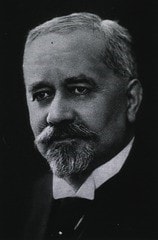
Image of Albert Calmette. Courtesy of the U.S. National Library of Medicine.
Image of Albert Calmette.

No comments: